
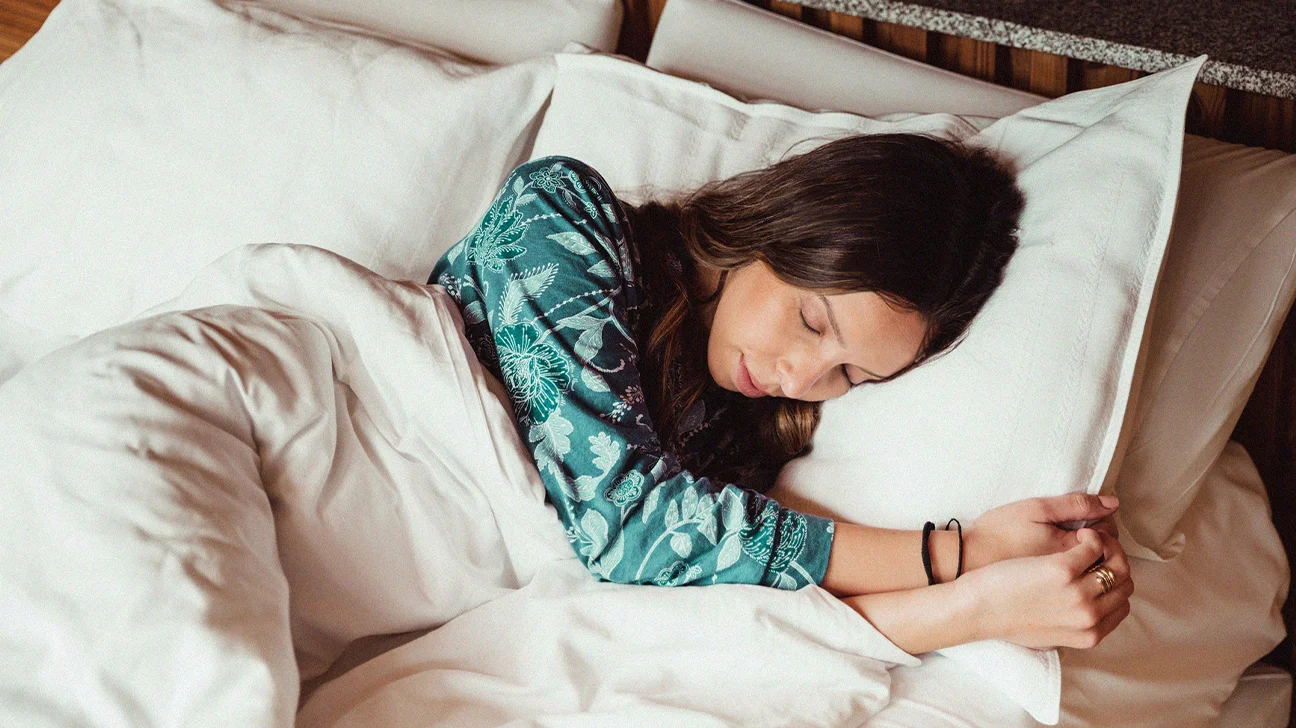
Sleep problems affect both adults and children, but they often show up in very different ways. What looks like tiredness or behaviour changes in a child may signal a sleep disorder, just as daytime fatigue or snoring can in adults. Understanding how sleep diagnosis differs between adults and children helps ensure the right approach, accurate diagnosis, and effective treatment at every age.
What Is Sleep Diagnosis and Why It Is Important
Sleep diagnosis is a medical process used to identify conditions that interfere with healthy sleep. It goes beyond recognising poor sleep and focuses on uncovering the underlying cause.
This process is especially important because sleep disorders can affect growth, learning, behaviour, and long-term health in children, while in adults they can increase the risk of chronic illness. Accurate diagnosis ensures age-appropriate care and prevents ongoing health issues.
Common Sleep Disorders in Adults and Children
Some sleep disorders occur in both adults and children, but symptoms and causes often differ. In adults, insomnia commonly presents as difficulty falling asleep or staying asleep, while sleep apnoea often involves loud snoring and daytime fatigue.
In children, sleep apnoea may show up as restless sleep, mouth breathing, or behavioural problems during the day. Other childhood sleep disorders include night terrors, sleepwalking, and delayed sleep phase. Adults are more likely to experience restless legs syndrome and circadian rhythm disorders linked to work schedules and lifestyle factors.
How Sleep Disorders Are Identified at Different Ages
The diagnostic process for sleep disorders is adapted based on age to ensure accurate results and comfort.
Clinical Evaluation
For adults, clinical evaluation focuses on sleep habits, lifestyle, medical history, medications, and daytime symptoms. For children, the assessment also includes developmental history, school performance, behaviour changes, and input from parents or caregivers.
Sleep Studies
In-lab sleep studies may be used for both adults and children, but they are conducted differently for younger patients. Paediatric sleep studies are designed to be child-friendly, with adjusted monitoring methods and specialist interpretation based on age-related sleep patterns.
Home Sleep Tests
Home sleep testing is more commonly used for adults, particularly when sleep apnoea is suspected. In children, these tests are used more cautiously and usually under specialist guidance to ensure reliable results.
Treatment Options After Diagnosis
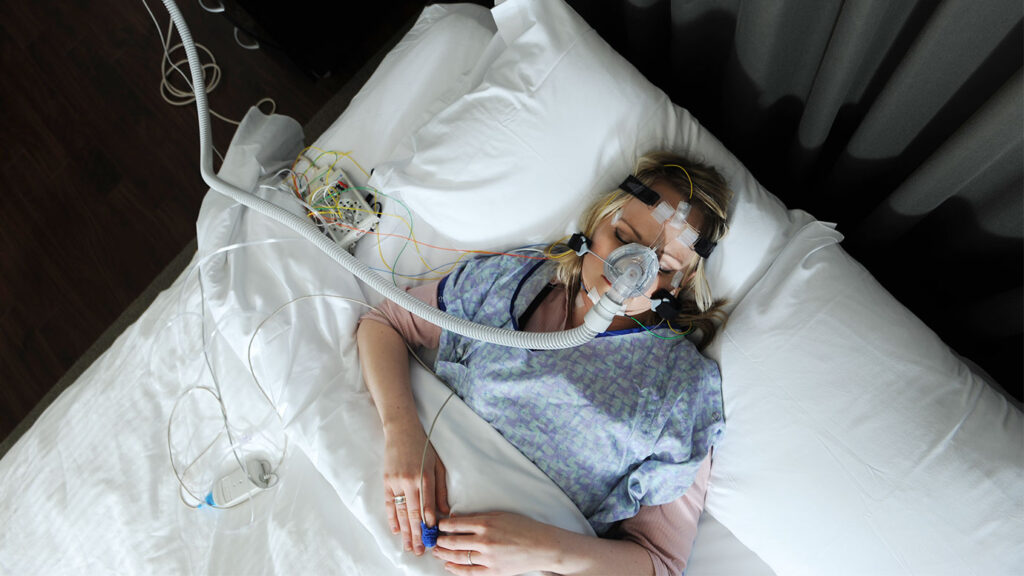
Treatment approaches vary significantly between adults and children. Adults may benefit from therapies such as cognitive behavioural therapy for insomnia, CPAP therapy for sleep apnoea, or medication when appropriate.
In children, treatment often focuses on addressing underlying causes such as enlarged tonsils, sleep routines, or behavioural factors. Lifestyle changes, family education, and, in some cases, medical or surgical interventions may be recommended.
Benefits of Early and Accurate Sleep Diagnosis
Early diagnosis is critical for both adults and children. In children, it supports healthy growth, learning, emotional regulation, and behaviour. In adults, it improves energy levels, mental clarity, and reduces the risk of long-term conditions such as heart disease and depression.
Accurate diagnosis prevents unnecessary treatments and ensures care is tailored to age-specific needs, leading to better outcomes and improved quality of life.
Conclusion
Sleep diagnosis is not a one-size-fits-all process. Adults and children require different evaluation methods, testing approaches, and treatments. Understanding these key differences helps families and individuals seek appropriate care, ensuring sleep problems are identified early and managed effectively for better health at every stage of life.
Frequently Asked Questions (FAQs)
Can children have the same sleep disorders as adults?
Yes, children can experience some of the same sleep disorders as adults, such as sleep apnoea and insomnia. However, symptoms often appear differently. Behavioural changes, learning difficulties, or hyperactivity may signal sleep issues in children, making age-specific diagnosis essential.
Why do sleep disorder symptoms look different in children?
Children’s developing brains and bodies respond differently to poor sleep. Instead of appearing tired, children may become irritable, hyperactive, or struggle at school. Sleep diagnosis considers these differences to ensure symptoms are not mistaken for behavioural or learning problems.
Are sleep studies safe for young children?
Yes, sleep studies are generally safe and non-invasive for children. Paediatric sleep labs are designed to be child-friendly, and parents are often allowed to stay overnight. These studies provide valuable information that helps guide safe and effective treatment.
Do adults and children receive the same treatment after diagnosis?
No, treatment is tailored to age and underlying causes. Adults may receive therapy or medical devices, while children often benefit from routine adjustments, behavioural strategies, or treatment of physical factors. Age-appropriate care improves effectiveness and comfort.
When should a child be referred for sleep diagnosis?
A child should be referred if sleep problems persist, affect daytime behaviour, or interfere with learning and growth. Symptoms such as snoring, restless sleep, or frequent night awakenings are common signs that professional assessment may be needed.